Quality Food
August 28, 2026
Comment(0)
The Origins of Garlic Sauce and Why It’s So Popular
Few condiments have travelled as far, endured as long, or inspired as much devotion as garlic sauce. Whether you know it as toum, aioli, skordalia, or simply “that white sauce,” its story stretches back thousands of years across civilisations that knew something we are still learning today: garlic, prepared correctly, transforms a meal entirely.
At Olives Meze Shawarma, tucked inside the vibrant heart of Tooting Market in South London, garlic sauce is not an afterthought. It is a cornerstone. We use it the way it was always meant to be used, as a bridge between bold grilled flavours and the clean, creamy contrast that makes every bite complete. To understand why we take it so seriously, it helps to understand where it comes from.
A Condiment as Old as Civilisation
Garlic itself has been cultivated for over 5,000 years. Evidence of its use dates to ancient Egypt, Mesopotamia, India, and China, where it was valued not just for flavour but for its perceived medicinal properties. Egyptian workers building the pyramids reportedly consumed garlic in bulk for stamina and strength. Roman legions carried it across Europe. And wherever garlic travelled, resourceful cooks found ways to turn it into something more than a raw ingredient.
The earliest forms of what we would now recognise as garlic sauce were likely simple pestle-and-mortar preparations: crushed garlic blended with oil, vinegar, or salt to create a paste used to season bread, meat, and vegetables. These were not recipes written in cookbooks. They were practical kitchen methods passed between generations, refined quietly over centuries.
In the ancient Mediterranean and Middle East, the transformation of garlic into a sauce was tied to the broader development of emulsion cooking, the understanding that oil and water-based liquids could be forced together with vigorous pounding or whisking to create a stable, creamy texture. That principle, in its most elegant expression, gave us the garlic sauces we use today.
The Middle Eastern Tradition: Toum
In Levantine cuisine, specifically across Lebanon, Syria, and the broader Middle East, the defining garlic sauce is toum. The word is simply Arabic for “garlic,” and the sauce lives up to its name. It is made from just four ingredients: garlic, oil, lemon juice, and salt, emulsified through a patient, methodical process that results in a sauce as light and white as fresh cream but intensely flavoured.
Toum has been a fixture of Lebanese cooking for generations. It is traditionally served alongside grilled meats, particularly chicken and lamb shawarma, where its bright, sharp heat cuts cleanly through fatty richness. In its home region, it is not a dipping sauce so much as a presence, spread generously across flatbread, draped over rice dishes, or served as a condiment at every meal.
What makes toum technically fascinating is its structure. Unlike mayonnaise, which relies on egg yolk as an emulsifier, toum achieves its stability purely through the proteins in garlic. When garlic is processed and the oil is added slowly and steadily, the mixture traps air and emulsifies into a texture that holds without refrigeration for days. It is a feat of culinary chemistry that home cooks and professional chefs across the region have understood intuitively for centuries.
At Olives Meze Shawarma, we serve garlic sauce in the spirit of this tradition. When you order our shawarma, the garlic sauce alongside it is made to complement the slow-roasted, overnight-marinated meat, not to overpower it. It is there to bring everything together, just as it has always done.
The Mediterranean Thread: Aioli and Skordalia
Travel west along the Mediterranean and the garlic sauce tradition continues with equal passion but distinct character. In Catalonia and Provence, aioli (or allioli in Catalan) is the great regional condiment: garlic and olive oil, traditionally without egg, blended into a thick golden sauce that accompanies grilled fish, vegetables, and bread.
The Catalan version in particular is considered one of the purest expressions of garlic sauce technique. Traditional allioli is made using only a mortar and pestle, with no egg to assist the emulsion. The result is a sauce that takes considerable skill to achieve but rewards patience with a depth of flavour that processed versions cannot replicate. Garlic, oil, and time. That is all.
Further east, in Greece, skordalia offers another variation on the theme. Here, garlic is blended not just with oil but with a starchy base, either mashed potato or soaked bread, to create a thick, robust sauce used to accompany fried fish, roasted vegetables, and grilled meats. Skordalia is more substantial than toum or aioli, designed to be a proper accompaniment rather than just a condiment, and its use of potato or bread as a binding agent reflects the resourcefulness that has always characterised Mediterranean cooking.
These regional variations share a common ancestor and a common purpose. Each represents a culture’s way of honouring garlic as an ingredient worthy of building a sauce around.
Why Garlic Sauce Became So Universal
The Science of Garlic Flavour
Garlic’s intensity comes from allicin, a compound formed when garlic cells are crushed or cut and two previously separate substances combine. Allicin is responsible for garlic’s characteristic sharp, pungent aroma and its initial bite. When garlic is emulsified into oil, the allicin disperses throughout the fat, which mellows its sharpness while distributing its flavour evenly across every mouthful. The result is something more rounded and complex than raw garlic, and far more versatile as a sauce component.
This chemical interaction explains why garlic sauce tastes different from eating raw garlic. The fat in the oil acts as a carrier and moderator, taming the heat while amplifying the aromatic quality. Lemon juice or vinegar brightens the whole thing further, cutting through fat and bringing a clean acidity that lifts the sauce and makes it feel fresh rather than heavy.
Pairing with Grilled Meats
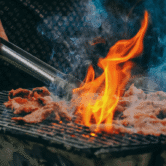
Garlic sauce and grilled meat are one of food’s great natural partnerships. The reason is partly chemical and partly cultural. Charred, caramelised proteins from high-heat cooking produce a depth of savouriness, and a cool, creamy, sharp sauce provides both textural and flavour contrast. The garlic cuts through fat. The creaminess softens charred edges. The acid wakes up the palate between bites.
This is why garlic sauce appears instinctively in every food culture that grills meat over fire. From the Middle East to Greece to Turkey to Lebanon, wherever there is a charcoal grill, there is a garlic sauce to go with it. It is not a coincidence. It is an evolved response to the sensory demands of flame-cooked food.
At Olives Meze Shawarma, our charcoal grill dishes exist in this tradition. Our Lamb Adana, our mixed grills, our chicken shawarma, all of them are paired with sauces that reflect this understanding. We know our food tastes better with the right accompaniment, and garlic sauce is almost always part of that equation.
The Role of Garlic Sauce in Street Food Culture
Garlic sauce found its widest modern audience through street food. Across the Middle East and the Mediterranean, the shawarma wrap and the falafel pitta were always the vehicles through which garlic sauce reached the most people, quickly, affordably, and memorably.
The genius of shawarma as a format is how it packages several distinct flavours and textures into a single handheld experience. Tender meat, crunchy pickles, fresh vegetables, flatbread, and the cooling, sharp hit of garlic sauce all arrive together. Remove any one of those elements and the experience changes significantly. The garlic sauce is not optional. It is structural.
When Lebanese and Levantine food cultures spread across Europe and the United Kingdom through immigration and the growth of Middle Eastern restaurants and street food stalls, garlic sauce came with them. It became a gateway flavour for millions of British diners who had never considered eating it at home but encountered it first through a late-night kebab wrap and found themselves craving it again.
Today, garlic sauce is one of the most recognised condiments in British street food culture. Its association with shawarma, pitta, and Mediterranean grills has made it familiar to a generation of eaters who may not know its precise origins but know exactly what they want when they sit down to eat.
Olives Meze Shawarma is part of this living tradition. Established in the heart of Tooting Market, we serve garlic sauce the way it has always been served in its home region: generously, alongside food that deserves it, as part of a meal made with care rather than convenience.
What Goes Into a Traditional Garlic Sauce
The best garlic sauce contains remarkably few ingredients. That simplicity is part of its appeal, but it also means that quality matters enormously. There is nowhere to hide.
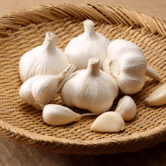
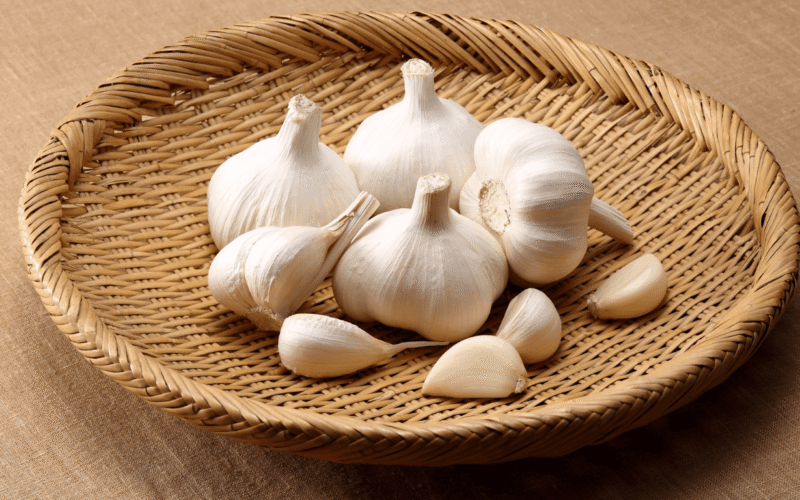
Garlic: Fresh, firm cloves are essential. Older garlic develops a sharper, more acrid bite that can overwhelm the sauce. Good toum or aioli begins with garlic that smells clean and bright, not sour or pungent.
Oil: Neutral oils such as sunflower or light vegetable oil allow the garlic flavour to come through cleanly. Extra virgin olive oil adds its own character but can dominate if used in too high a proportion. Many traditional recipes blend both for balance.
Acid (lemon juice or vinegar): Acid serves two functions. It helps stabilise the emulsion, and it brightens the finished sauce, cutting through the richness of the oil and lifting the garlic flavour. Fresh lemon juice is the default choice in Levantine versions. White wine vinegar appears in some Mediterranean variations.
Salt: The emulsification process actually requires salt to function properly, drawing moisture from the garlic and helping the binding process begin. It also seasons the sauce throughout rather than just on the surface.
Some versions incorporate egg yolk for additional stability, producing a sauce closer to mayonnaise in texture. Others add starchy bases for body. But the purist versions, the ones closest to the original tradition, use only these four elements, and done well, they need nothing more.
Garlic Sauce in the Modern Kitchen
Today, garlic sauce appears across a far wider range of cooking than its original home might suggest. Restaurants serving Mediterranean and Middle Eastern food have introduced it to diners who now reach for it in supermarkets, order extra portions of it in restaurants, and look for it whenever they see a menu that might include it.
In the United Kingdom, the demand for authentic garlic sauce has grown alongside increased interest in Middle Eastern and Mediterranean cuisine more broadly. As British diners have become more food-literate and curious about the origins of what they eat, condiments that carry genuine flavour history have grown in appeal.
Independent restaurants like Olives Meze Shawarma are a significant part of that story. We are not serving garlic sauce from a jar or squeezing it from an industrial bottle. Our sauces are made in-house, from real ingredients, according to the same principles that have governed this style of cooking for generations. When you visit us at Tooting Market, you are not just eating a wrap. You are eating the product of a food tradition that spans millennia.
Why Olives Meze Shawarma Gets the Garlic Sauce Right
There are plenty of places in London that serve garlic sauce. There are fewer that understand it.
At Olives Meze Shawarma, we approach our sauces with the same seriousness we bring to our marinades, our spice blends, and our cooking methods. We know that the food we serve is only as good as every element on the plate, and garlic sauce is one of those elements that customers notice immediately when it is wrong.
Our kitchen is built around homemade recipes developed and refined over years. We do not use shortcuts. We do not use pre-made pastes. Every sauce we serve is prepared in-house, which means the flavour you taste when you eat with us is the real thing, not a commercial approximation of it.
Tooting Market has always attracted food traders who care about what they serve. The market’s atmosphere rewards authenticity and punishes mediocrity, because the people who eat there are food literate and loyal. We belong in that environment because we share those values.
If you have never tasted truly well-made garlic sauce alongside a proper shawarma, we would genuinely like to be the place that shows you what it should taste like. Visit us at Unit 3, Tooting Market, 20 Totterdown Street, London SW17 8TA. Order online through Uber Eats, Just Eat, or Deliveroo. Or call us on 020 3380 0334.
Real food. Real flavour. Right here in Tooting Market.
Frequently Asked Questions
Everything you need to know about traditional Eastern Mediterranean garlic sauce.
The most widely used name is toum, which comes from the Arabic word for garlic. It is a staple of Lebanese and Levantine cuisine and is made by emulsifying garlic, oil, lemon juice, and salt into a light, creamy white sauce. Variations exist across the region under different names, but toum is the version most closely associated with shawarma and grilled meat dishes.
They share the same core concept but are distinct preparations with different origins. Aioli comes from the Catalan and Provencal cooking traditions of Spain and southern France and traditionally contains only garlic and olive oil, without egg. Toum is a Levantine preparation that also skips the egg but uses a neutral oil and lemon juice for brightness. Modern commercial aioli often includes egg yolk and differs significantly from the traditional versions of either.
Garlic sauce provides a sharp, creamy contrast to the richness and char of grilled meat. The acidity from lemon juice cuts through fat, while the emulsified oil coats the palate between bites. Garlic's flavour compounds also complement the spiced marinades used in shawarma cooking, enhancing the overall flavour profile of the dish. This combination has made garlic sauce an almost universal accompaniment to grilled meat across the Middle East and Mediterranean.
Yes. At Olives Meze Shawarma, we prepare our sauces in-house using real ingredients. We do not use pre-made commercial sauces or pastes. Our garlic sauce is made fresh and served as it should be, as a genuine accompaniment to our homemade Mediterranean food rather than an afterthought from a bottle.
Garlic itself has been cultivated and used in cooking for over 5,000 years. Preparations resembling garlic sauce, made by crushing garlic with oil, vinegar, or salt, date back to ancient Egypt, Rome, and the Levant. The emulsified versions we recognise today developed gradually over centuries as culinary techniques became more refined, but the underlying tradition of turning garlic into a sauce is as old as organised cooking itself.