Quality Food
October 26, 2026
Comment(0)
How Marinades Transform Flame-Cooked Dishes
A good marinade is the quiet hero of every great grill. By the time meat reaches the flame, much of its flavour, juiciness and character has already been decided. At Olives Meze Shawarma in Tooting Market, our shawarma is marinated overnight in a spice blend we've developed ourselves, and it's one of the main reasons the food tastes the way it does.
But what does a marinade actually do? Does it really "soak in"? Can you marinate for too long? This guide answers those questions with plain-English science and practical advice you can use at home or when you order from us.
In short: marinades work in two ways. Salt and time change the meat itself, helping it hold moisture, while acid, oil and spices mainly shape flavour and surface. Used well, they give you juicier meat, a better crust and deeper flavour on the grill.
What a Marinade Is Made Of
Most marinades combine four types of ingredient, and each does a different job:
Salt
Seasons the meat and changes its proteins so it holds more moisture.
Acid
Lemon juice, vinegar, yoghurt or tomato brings brightness and affects the surface texture.
Oil
Carries fat-soluble flavours from spices and herbs, and helps heat transfer on the grill.
Aromatics and Spices
Garlic, paprika, cumin, sumac, oregano, chilli and more provide the identity of the dish.
Does a Marinade Really Soak In?
Here is the part most recipes skip. Most marinade ingredients do not travel far into the meat. Flavour compounds, acids and oils stay largely near the surface, working within the outer few millimetres. Salt is the exception, because it moves deeper over time.
That is not a bad thing. The surface of the meat is exactly where grilling happens, so a flavoured surface has a big effect on the final taste. For flavour to reach the middle, we rely on thin cuts, small pieces and longer marinating times, along with salt.
Salt: The Quiet Workhorse
Salt does more than season. It dissolves some of the muscle proteins, which then trap water during cooking. This is the principle behind brining, and it's why salted meat tends to stay juicier than unsalted meat on a hot grill. It's also why a marinade with the right amount of salt matters so much for chicken, which can dry out quickly over charcoal.
Acid: Powerful, but Easy to Overdo
Acids such as lemon juice and vinegar change the surface of the meat. In small amounts they add brightness and help flavours stand out. In large amounts, or over long times, they can make the outside of meat tough, chalky or mushy as proteins tighten and break down.
This is why yoghurt is such a favourite in Mediterranean and Middle Eastern cooking. It contains lactic acid, which is much gentler than lemon juice or vinegar, along with calcium and enzymes that help tenderise gently. Yoghurt-based marinades also cling well to meat, which helps build a flavourful crust over the flame.
Oil: The Flavour Carrier
Many of the best aroma compounds in spices and herbs dissolve in fat rather than water. Oil carries them across the surface of the meat and into the grill's heat, where they bloom. Oil also helps prevent sticking and conducts heat evenly, which supports browning.
Spices and Aromatics: Where Identity Comes From
This is where each kitchen's personality comes from. Mediterranean marinades tend to combine warm spices, fresh herbs, garlic and a touch of acid. Our own spice blends have been refined over years, and we don't use pre-made marinades or shortcuts. That is why shawarma from a kitchen that builds its own blend tastes different from a generic version.
How Marinades Meet the Flame
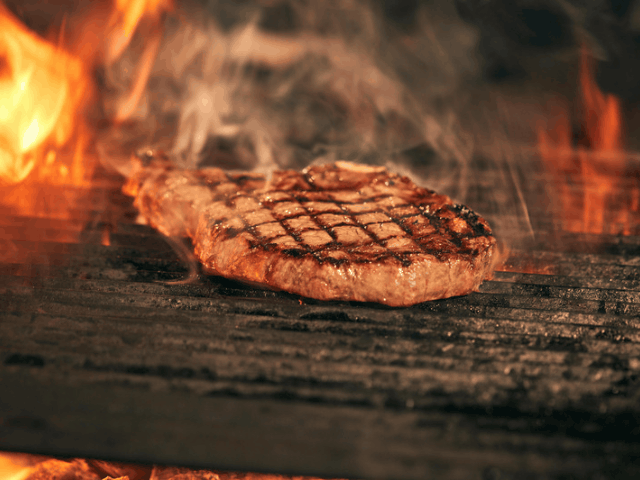
This is where marinating and grilling connect. Over a charcoal fire:
Marinade Proteins and Sugars Brown
The Maillard reaction creates a savoury crust. We explain this in The Science Behind Smoky Grilled Meat.
Spices Toast and Bloom
Heat releases aromas that wouldn't appear when the spices are raw.
Fat and Oil Drip and Vaporise
Dripping fat and oil vaporise, returning as smoke that coats the food.
Sugar and Honey Caramelise
They add sweetness but can burn quickly, so sweet marinades need careful heat control.
A marinade that is very wet can slow down browning, because the surface has to dry before it can brown. That's why experienced grill cooks let excess marinade drip off, and why thick yoghurt marinades are scraped lightly before cooking when needed.
How Long Should You Marinate?
There is no single answer, but sensible guidelines help. Treat the following as general guidance rather than strict rules:
| Type of meat | Typical marinating time | Notes |
|---|---|---|
| Chicken (pieces or thin cuts) | Several hours to overnight | Yoghurt-based marinades are forgiving |
| Lamb (cubes, chops, mince blends) | Several hours to overnight | Stronger meat stands up to bold spices |
| Fish and seafood | 15 to 60 minutes | Acid breaks down delicate flesh quickly |
| Vegetables, halloumi and tofu | 30 minutes to a few hours | They take on flavour quickly |
Overnight is our approach for shawarma, because it gives the salt and spices time to work and builds depth of flavour. For delicate fish, keep it short.
Food Safety for Marinating
Marinating is simple, but a few rules protect you and your guests:
Always Marinate in the Fridge
Never marinate raw meat at room temperature.
Use a Covered, Non-Metallic Container
Choose a covered, non-metallic container, especially with acidic marinades.
Never Reuse Raw Marinade as a Sauce
It has been in contact with raw meat. Only reuse it as a sauce if you boil it thoroughly first.
Cook Meat Thoroughly
Cook poultry and minced meat all the way through, until piping hot with no pink meat.
Prevent Cross-Contamination
Keep raw meat away from ready-to-eat food and wash hands and utensils afterwards.
The Food Standards Agency publishes full food safety guidance.
Common Marinating Mistakes
Marinating Too Long in Acid
Excessive exposure to acid can turn the surface mushy.
Using Too Much Sugar
Sugar can burn before the meat is cooked through.
Not Drying or Draining the Meat
Excess moisture delays browning and stops a good crust from forming.
Using Too Little Salt
Too little salt misses out on its contribution to juiciness.
Overcrowding the Grill
Overcrowding traps steam and stops the crust from forming.
Marinades for Vegetarians and Vegans
Marinades are not only for meat. Halloumi, falafel mixes, aubergine, peppers and mushrooms all benefit from oil, herbs and spice. Vegetables have less protein to tenderise, so the aim is flavour and a good char. We prepare our vegetarian and vegan dishes with the same care as our meat dishes. Ask our team about plant-based options, or visit our vegan menu.
Taste a Marinade Done Properly
If you'd like to taste what a patient marinade and a charcoal grill can do together, try our Charcoal Specials, our shawarma and our grilled chicken and lamb kofte.
For something to share, there's the Mix Grill Combo for 2 or the Family Platter. See the full menu and order for collection or delivery.
Real marinades. Real charcoal. Real flavour.
Frequently Asked Questions
Discover how marinades work, how long to marinate meat and how to get better flavour from your next charcoal grill.
Salt changes muscle proteins so meat holds more moisture, while oil, acid and spices flavour mainly the surface. Together they improve juiciness, browning and taste.
Several hours to overnight works well for most chicken, especially in a yoghurt-based marinade. Always keep it in the fridge.
Yes. Very acidic marinades left for too long can make the surface of meat mushy or tough. Gentler marinades, such as yoghurt, are more forgiving.
Overnight marinating gives salt and spices time to season the meat and build depth of flavour before slow cooking.
Letting excess drip off helps the surface brown, and it reduces flare-ups from dripping oil.
Yes. Our menu includes falafel wraps, hummus, baba ganoush, tabbouleh and more. Visit our vegan menu.
